المخطوطات
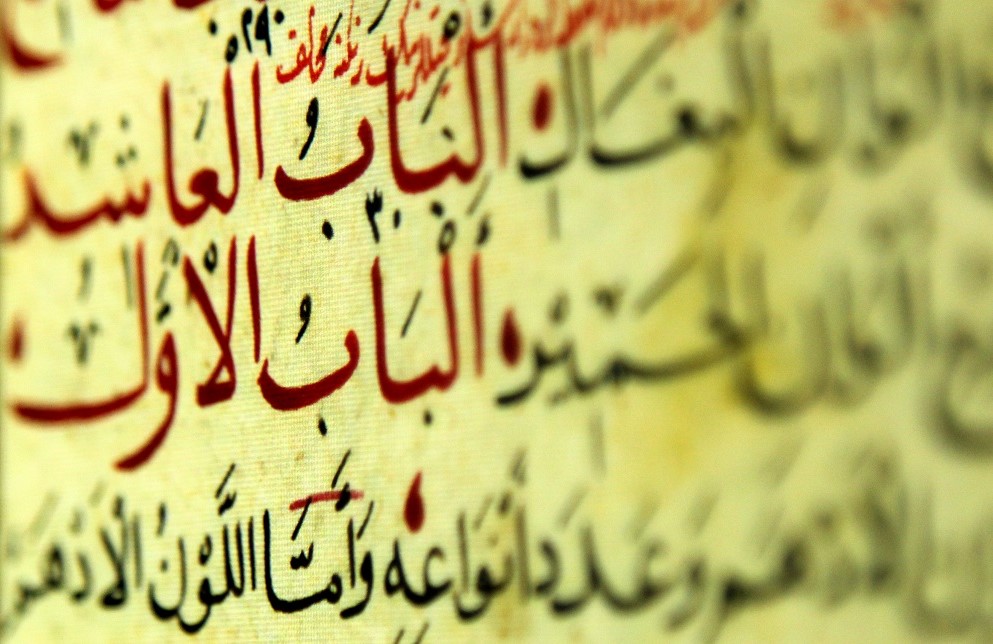
عملت دولة الاستقلال على تجميع المخطوطات من المساجد والزوايا والمكتبات وعلى سنّ تشريعات خاصّة بها لإيداعها بدار الكتب الوطنية وحمايتها وإتاحتها للباحثين والباحثات. وتغطي هذه المخطوطات مختلف فروع الثقافة العربية والإسلاميّة على غرار العلوم والعلوم الشرعية واللغوية والآداب والفنون إلى جانب مجموعة كبيرة من مخطوطات المصاحف ومصنفات الحديث المتميزة بتزويقها وتذهيبها وزخرفتها الهندسية والنباتية والكتابية التي تعبر عن خصائص المدرسة التونسية في فنّ الخط والتّزويق.
يحتوي رصيد المخطوطات على أربعة وعشرين ألف مجلد (حوالي ثلاثة وأربعين ألف عنوان). ومن أقدم المخطوطات تفسير القرآن ليحيى بن سلاّم، وترجمة المجسطى لبطليموس. ويعود تاريخ نسخهما إلى القرن الرّابع الهجريّ/ العاشر الميلادي. وقد تضافرت جهود مفهرسي المخطوطات فتمّ تركيز قاعدة بيانات تتضمّن بطاقة فهرسة وصفية لكامل الرصيد، ويتمّ إصدار فهارس مطبوعة تحوي بطاقة فهرسة تحليلية وهي إلى يومنا هذا من رقم 1 إلى رقم 11500.